
 By
By
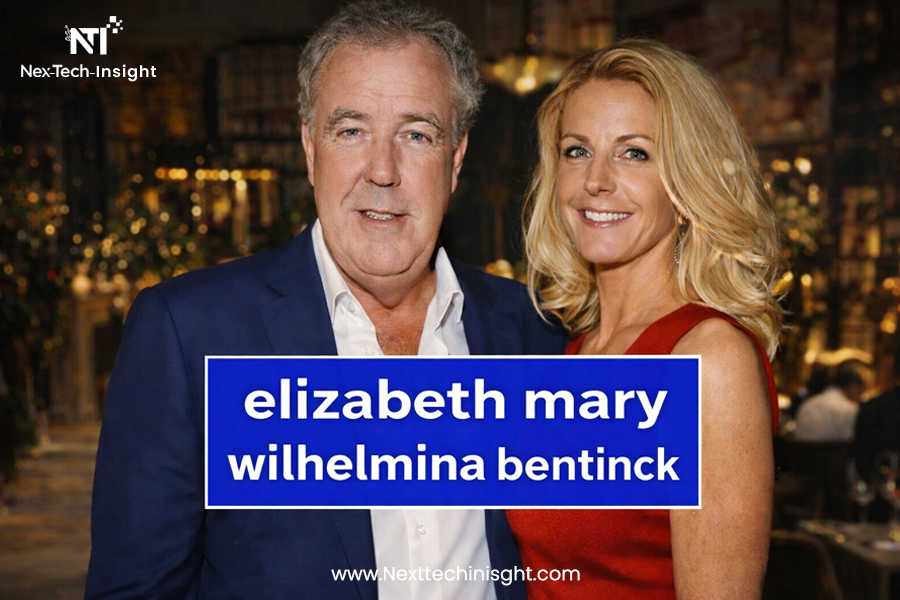
Modern aristocracy fascinates readers because it blends historic prestige with contemporary independence. Among emerging figures connected to European noble heritage, Elizabeth Mary Wilhelmina Bentinck stands out due to her aristocratic lineage and evolving professional identity. Her story reflects how an inherited legacy can coexist with personal ambition.
Interest in noble descendants has grown significantly across the United States. Readers now seek deeper insights into individuals connected with historic families like the Bentinck noble house. Moreover, her connection to corporate leadership and aristocratic heritage exemplifies modern nobility adapting to present-day realities.
Who Is Elizabeth Mary Wilhelmina Bentinck?
Elizabeth Mary Wilhelmina Bentinck is a Dutch-born aristocratic descendant connected to one of Europe’s most historically influential noble families. Her identity reflects both inherited prestige and modern independence. As the daughter of Baron Steven-Carel Johannes Bentinck, she represents continuity within the European aristocratic lineage.
Unlike historical nobles who focused on ceremonial roles, she represents a modern transition toward professional engagement. Her public recognition increased after official records confirmed her corporate directorship. Therefore, her profile demonstrates how contemporary aristocrats balance heritage, privacy, and real-world professional responsibility in evolving social structures.
Quick Facts and Personal Profile
Understanding her background begins with verified facts confirming identity and lineage. Official UK records provide clarity regarding nationality, family connections, and professional position. These details strengthen her recognition as both a noble descendant and a business professional with verified genealogy and modern leadership responsibility.
| Attribute | Verified Information | SEO Entity Relevance |
| Full Name | Elizabeth Mary Wilhelmina Bentinck | Noble identity entity |
| Birth Date | October 22, 1998 | Biographical entity |
| Nationality | Dutch | European noble connection |
| Residence | United Kingdom | British aristocracy link |
| Occupation | Director, Welafour Limited | Corporate governance entity |
| Family Lineage | Bentinck noble family | Historical aristocratic entity |
Her professional appointment at Welafour Limited highlights early leadership involvement. Corporate records confirm her directorship role. Consequently, her career demonstrates how modern noble descendants pursue business leadership roles instead of relying solely on ceremonial aristocratic influence or inherited status.
Family Background and Noble Lineage
Aristocratic families maintain historical continuity through documented lineage spanning centuries. Her paternal ancestry traces directly to the influential Bentinck noble family. This lineage connects her to figures who shaped European governance. Such ancestry strengthens her identity within the broader aristocratic genealogy network.
Equally important, her maternal influence introduces creative cultural exposure. Lisa Hogan’s career in entertainment adds a modern cultural perspective. As a result, this dual influence combines aristocratic tradition with creative independence. This balance supports the evolution of a modern noble descendant identity.
The Historical Importance of the Bentinck Family
The Bentinck family originated in the Netherlands during the seventeenth century. Their political influence expanded rapidly through alliances with European monarchies. Members of the family served as advisors and diplomats. These contributions established their reputation within the Dutch noble houses and the European aristocracy.
One historically significant figure, Hans Willem Bentinck, served King William III of England. His loyalty earned noble titles and estates. Consequently, the family gained influence within British governance. This connection established their position within the British peerage system, strengthening long-term aristocratic authority.
Connection to the British and European Aristocracy
European aristocracy evolved through interconnected noble houses sharing political and social alliances. The Bentinck family represents a clear example of this interconnected structure. Their lineage bridges the Dutch and British aristocracy. Therefore, descendants maintain recognition within multiple noble traditions and cultural environments.
Modern aristocrats often maintain private lifestyles while preserving historical heritage. This approach allows them to adapt to contemporary society. Her identity reflects this transition toward professional independence. As a result, she symbolizes the evolution of modern aristocratic society and noble continuity.
Early Life and Family Environment
Growing up within an aristocratic family provides exposure to discipline and responsibility. Family traditions emphasize education, cultural awareness, and personal integrity. Such upbringing fosters leadership skills and self-awareness. These influences contribute to a well-rounded aristocratic upbringing environment.
Privacy remains an essential value within noble families. Maintaining discretion protects the family legacy. Therefore, early life experiences likely balanced heritage awareness with personal independence. This combination helps develop confidence and resilience within modern noble family descendants.
Education, Upbringing, and Social Influence
Education plays a crucial role in shaping future leadership. Aristocratic families often prioritize intellectual development and global awareness. Exposure to diverse cultures enhances decision-making abilities. Consequently, noble descendants develop broader perspectives aligned with global aristocratic traditions.
Social influence also contributes significantly to personal identity. Growing up around professionals and cultural leaders strengthens confidence. This environment encourages responsibility and independence. Therefore, upbringing within the aristocracy often prepares individuals for leadership within modern professional and social structures.
Her Role and Position Within the Bentinck Family Legacy
Family legacy involves preserving historical identity while adapting to contemporary expectations. Noble descendants carry symbolic responsibility representing their heritage. Her position reflects the continuation of long-standing aristocratic influence. This role reinforces continuity within the Bentinck family lineage.
Modern descendants also contribute through professional achievements. Instead of ceremonial roles alone, career accomplishments define influence today. Consequently, leadership roles strengthen individual identity. This transition reflects the evolving nature of modern aristocratic responsibility and legacy preservation.
Why Elizabeth Mary Wilhelmina Bentinck Is Being Searched Today
Public interest in aristocratic descendants continues to increase worldwide. People seek information about individuals connected to historical noble families. Curiosity about aristocratic heritage fuels online searches. Therefore, her verified corporate role and noble lineage contribute significantly to rising search visibility.
Corporate records increased her recognition internationally. Directorship positions demonstrate professional credibility. This development highlights independence beyond inherited identity. Consequently, readers recognize her as a modern professional within the broader context of European noble descendants.
Understanding the Bentinck Family Tree and Her Place in It
Family trees illustrate generational continuity within noble houses. They help identify relationships and hierarchical positions. Understanding genealogical structures clarifies historical connections. This context strengthens awareness of aristocratic lineage verification and heritage continuity.
| Noble Lineage Component | Historical Role | Modern Relevance |
| Dutch noble origin | Political advisory roles | Heritage continuity |
| British aristocracy integration | Peerage influence | Cultural identity |
| Noble descendants | Legacy preservation | Professional evolution |
| Modern generation | Corporate participation | Contemporary relevance |
Her genealogical placement connects her to centuries of European history. These connections demonstrate continuity across generations. As a result, family lineage strengthens identity while providing a historical perspective within evolving European noble family structures.
Common Misconceptions About Elizabeth Mary Wilhelmina Bentinck
Many assume aristocrats rely solely on inherited privilege. However, modern descendants often pursue independent careers. Corporate leadership roles demonstrate professional competence. This reality challenges stereotypes about aristocratic dependence and reinforces modern professional aristocratic identity.
Another misconception involves public visibility expectations. Many nobles maintain private lifestyles intentionally. Privacy protects personal autonomy and family heritage. Therefore, limited public exposure does not reduce influence. Instead, it reflects strategic preservation of aristocratic privacy traditions.
Comparison: Elizabeth Mary Wilhelmina Bentinck and Other Members of the Bentinck Family
Historical family members held political leadership roles, influencing national governance. Modern descendants often pursue professional careers instead. This shift reflects broader societal changes. Consequently, aristocratic influence now extends beyond politics into modern corporate leadership environments.
While historical nobles exercised political authority, modern descendants emphasize professional contributions. This transformation reflects evolving social structures. Therefore, contemporary aristocrats influence society through business leadership rather than traditional governance roles within modern European aristocracy.
Historical Accuracy, Records, and Verification of Her Lineage (Trust Section)
Verification strengthens credibility and historical accuracy. Official corporate registries confirm professional roles. Genealogical records validate noble lineage connections. These verified sources ensure factual accuracy and reinforce trust within aristocratic identity documentation and historical research.
Accurate lineage verification also preserves family legacy. Reliable records maintain continuity across generations. This documentation strengthens recognition within aristocratic genealogy networks. Consequently, verified lineage enhances credibility and historical authenticity within European noble family records.
Legacy and Influence of Elizabeth Mary Wilhelmina Bentinck
Legacy extends beyond inherited identity. Modern aristocrats contribute through professional achievements and responsible leadership. These contributions strengthen family heritage while supporting contemporary progress. As a result, her evolving career reflects modern noble influence.
Future influence depends on continued professional growth and leadership development. Noble descendants often shape future social and business environments. Therefore, her role reflects broader transformation within aristocratic society. This evolution reinforces continuity between historical legacy and modern professional leadership identity.
FAQs About Elizabeth Mary Wilhelmina Bentinck
1. Whom did Elizabeth Bentinck marry?
Elizabeth Bentinck is not publicly known to be married. She keeps her personal life private and away from public records.
2. What did Lisa Hogan do for a living?
Lisa Hogan is an Irish actress and model. She also appeared on Clarkson’s Farm and worked in television and entertainment.
3. What was Elizabeth Bentinck’s legacy?
Her legacy reflects modern aristocracy, balancing noble heritage with professional leadership and private life.
4. Who is Steven Carel Johannes Bentinck?
He is a Dutch nobleman and Baron. He belongs to the historic Bentinck aristocratic family in Europe.
5. Who was Elizabeth Bentinck?
She is a Dutch noble descendant and director of Welafour Limited with a strong aristocratic family heritage.
6. Who is Lisa Hogan’s daughter?
Lisa Hogan’s daughter is Elizabeth Mary Wilhelmina Bentinck, a member of the historic Bentinck noble family.
7. Who has custody of Kelly Clarkson’s daughter?
Kelly Clarkson has primary custody of her children, while both parents share legal custody after the divorce.
8. What job does Cheerful Charlie do?
There is no verified public record of Cheerful Charlie connected to the Bentinck family or aristocracy.
9. Why didn’t Brooke Hogan go to her dad’s funeral?
There is no verified public explanation. This topic is unrelated to the Bentinck noble family.
10. Why didn’t the Beatles go to Brian Epstein’s funeral?
Some Beatles attended privately. Brian Epstein was their manager who helped shape their global success.
Don’t miss out on any news—keep in touch for real-time information, visit Next Tech Insight!