
 By
By
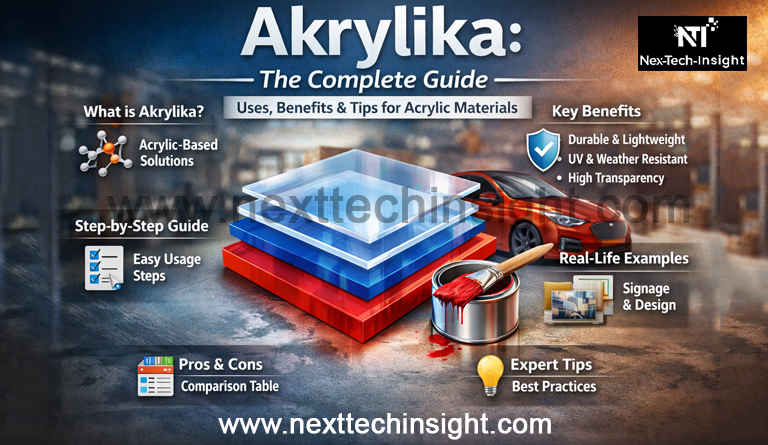
If you have recently come across the term Akrylika, you might be wondering what it actually means and why people are talking about it. Whether you’re researching it for professional purposes, creative projects, or general knowledge, understanding Akrylika can open the door to many practical applications.
In simple terms, Akrylika refers to acrylic-based materials or systems commonly used in art, design, construction, coatings, and modern manufacturing. Due to its versatility, durability, and visual appeal, Akrylika has become an important component across multiple industries.
In this comprehensive guide, we’ll explore what Akrylika is, why it matters, how it works, its benefits, real-life uses, common mistakes, and expert tips to help you fully understand this material or concept.
By the end of this article, you’ll have a complete beginner-to-advanced understanding of Akrylika and how it can be used effectively.
What Is Akrylika
Akrylika generally refers to materials or solutions based on acrylic polymers, which are synthetic compounds widely used in paints, coatings, plastics, adhesives, and decorative surfaces.
These materials are created using acrylic resin technology, which forms a strong, transparent, and flexible structure when processed correctly.
Featured Snippet Answer
Akrylika is an acrylic-based material or technology commonly used in coatings, paints, design surfaces, and industrial applications. It is known for its durability, transparency, weather resistance, and versatility, making it a popular choice in art, construction, and manufacturing industries.
The reason Akrylika is widely used is that it combines strength, lightweight properties, and aesthetic flexibility, allowing it to be used in both creative and technical environments.
Some commonly associated terms include:
- Acrylic materials
- Polymer coatings
- Synthetic resin systems
- Acrylic paints
- Acrylic plastic sheets
These materials are often used where durability and visual quality are required.
Why Akrylika Is Important
Akrylika plays a significant role in modern industries because it provides a balance between performance and visual appeal.
Here are several reasons why Akrylika is considered important:
1. Durability
Acrylic-based materials are known for their strong resistance to environmental damage, including UV rays, moisture, and temperature changes.
2. Versatility
Akrylika can be used across multiple industries, including:
- Art and design
- Architecture
- Automotive coatings
- Manufacturing
- Advertising signage
3. Lightweight Alternative
Compared to traditional materials such as glass, acrylic materials are lighter and easier to handle, making them practical for many applications.
4. Aesthetic Appeal
Because Akrylika materials are clear, glossy, and customizable, they are often used in creative and decorative environments.
5. Long-Term Cost Efficiency
Although some acrylic materials may initially cost more than traditional options, their long lifespan and durability reduce maintenance costs over time.
Learn More About: Acrylic polymer
How Akrylika Works
Akrylika works by using acrylic polymers, which are created through a chemical process called polymerization.
During this process:
- Small molecules called monomers are combined.
- These monomers chemically bond together.
- The result is a stable polymer structure.
This structure provides several important characteristics:
- Transparency
- Flexibility
- Weather resistance
- Impact resistance
Once produced, acrylic materials can be shaped into:
- Sheets
- Coatings
- Paints
- Adhesives
- Decorative panels
These materials are then used in industrial manufacturing, artistic projects, and commercial products.
Key Features and Benefits
Akrylika materials offer several unique advantages that make them widely used across industries.
Major Benefits of Akrylika
High Transparency
Many acrylic materials have transparency levels similar to glass, making them ideal for displays and design projects.
Weather Resistance
Akrylika is resistant to:
- UV exposure
- rain
- humidity
- temperature changes
Impact Resistance
Compared to glass, acrylic materials are much less likely to shatter.
Lightweight Structure
Akrylika is typically 50% lighter than glass, making transportation and installation easier.
Customizability
These materials can be molded, colored, or textured to match specific design needs.
Step-by-Step Guide to Using Akrylika
If you’re planning to use Akrylika in a project, the following steps can help ensure the best results.
Step 1: Identify the Application
Determine where the material will be used:
- decorative surfaces
- protective coatings
- signage
- art projects
Step 2: Choose the Right Type
Different forms of acrylic materials exist, including:
- acrylic sheets
- acrylic paints
- acrylic resins
- acrylic coatings
Step 3: Prepare the Surface
Ensure that the surface is:
- clean
- dry
- free from dust or oil
Proper preparation improves adhesion and durability.
Step 4: Apply or Install
Depending on the type of Akrylika material:
- paint it
- coat the surface
- Install sheets or panels
Step 5: Allow Proper Curing
Many acrylic materials require curing time to fully harden and reach their maximum strength.
Following these steps ensures better durability and long-lasting results.
Real Life Examples
Akrylika is used in many everyday products and industries.
1. Advertising and Signage
Acrylic sheets are commonly used for store signs, lightboxes, and display panels.
2. Art and Painting
Artists frequently use acrylic paints because they dry quickly and provide vibrant colors.
3. Automotive Coatings
Many vehicles use acrylic coatings to improve:
- shine
- protection
- weather resistance
4. Architecture and Interior Design
Akrylika materials are used in:
- decorative panels
- kitchen backsplashes
- furniture surfaces
5. Protective Barriers
Clear acrylic panels are widely used for protective shields and safety barriers.
Pros and Cons of Akrylika
| Pros | Cons |
| Lightweight and easy to handle | Can scratch more easily than glass |
| High transparency | May require special cleaning products |
| Weather resistant | Can be more expensive than some plastics |
| Strong impact resistance | Sensitive to certain chemicals |
| Long lifespan | May expand slightly with temperature changes |
Despite a few drawbacks, Akrylika remains one of the most practical and versatile materials available today.
Common Mistakes to Avoid
When working with Akrylika, beginners often make a few common mistakes.
Using the Wrong Type
Not all acrylic materials are the same. Choosing the wrong type can reduce durability or performance.
Poor Surface Preparation
If surfaces are dirty or uneven, the material may not bond properly.
Incorrect Cutting Tools
Acrylic sheets require special cutting tools to prevent cracking or rough edges.
Ignoring Temperature Effects
Acrylic materials can expand slightly with heat, so installations should allow small expansion gaps.
Improper Cleaning
Using harsh chemicals can damage the surface of acrylic materials.
Avoiding these mistakes will significantly improve the lifespan of Akrylika products.
Expert Tips or Best Practices
Professionals who work with Akrylika often follow several best practices.
Use Protective Film During Installation
Many acrylic sheets come with protective film that prevents scratches during handling.
Choose UV-Resistant Variants
If the material will be exposed to sunlight, select UV-resistant acrylic options.
Use Soft Cleaning Materials
Use microfiber cloths instead of rough materials to avoid scratches.
Measure Twice Before Cutting
Accurate measurements prevent waste and installation errors.
Consider Thickness Carefully
Thicker acrylic sheets offer greater strength for structural or protective applications.
Following these tips ensures professional-quality results.
Best Alternatives or Comparisons
| Material | Transparency | Weight | Durability | Cost |
| Acrylic (Akrylika) | Very High | Lightweight | High | Medium |
| Glass | Very High | Heavy | Moderate | Medium |
| Polycarbonate | High | Lightweight | Very High | Higher |
| PVC Plastic | Moderate | Lightweight | Moderate | Low |
Key Takeaway
Akrylika provides a great balance between durability, cost, and appearance, which is why it is often chosen over other materials.
Frequently Asked Questions
What is Akrylika used for?
Akrylika is commonly used in paints, coatings, signage, interior design, manufacturing, and protective panels because of its durability and transparency.
Is Akrylika the same as acrylic?
Yes, Akrylika generally refers to acrylic-based materials or systems used in various industries.
Is Akrylika durable?
Yes, acrylic materials are highly durable, weather-resistant, and impact-resistant, making them suitable for indoor and outdoor applications.
Can Akrylika replace glass?
In many situations, acrylic materials can replace glass because they are lighter and more impact-resistant.
Is Akrylika environmentally friendly?
Some modern acrylic materials are designed with recyclable properties, though environmental impact depends on manufacturing methods.
Is Akrylika expensive?
The price varies depending on thickness and quality, but it is generally moderately priced compared to specialty materials.
How long does Akrylika last?
With proper maintenance, acrylic materials can last 10–30 years or more, depending on usage conditions.
Conclusion
Akrylika has become an essential material in modern industries due to its versatility, durability, and visual appeal. From creative art projects to industrial manufacturing, acrylic-based materials offer a reliable solution for a wide range of applications.
Understanding how Akrylika works, its benefits, and the best ways to use it allows individuals and businesses to take full advantage of its capabilities.
Whether you’re an artist, designer, builder, or simply exploring new materials, Akrylika provides a practical and innovative option worth considering.
By applying the insights and best practices shared in this guide, you can confidently use Akrylika in your projects and achieve long-lasting, professional results.
Don’t miss out on any news—keep in touch for real-time information, visit Next Tech Insight!