
 By
By
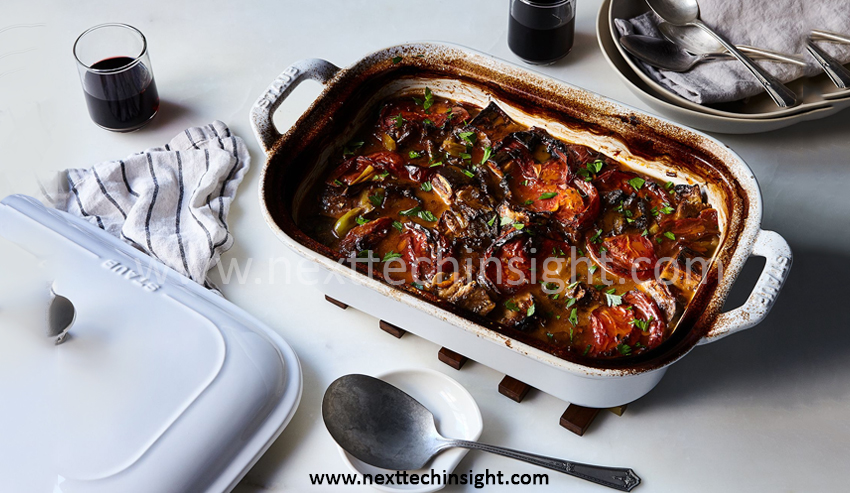
Cevurı is a traditional Turkish dish that comes directly from Anatolian heritage, and as a result, people widely recognize it for its comforting richness and slow-cooked depth of flavor. Traditionally, cooks prepare it with tender lamb or beef, wholesome grains, and carefully chosen spices, which clearly shows how people once cooked meals patiently and shared them communally. Rather than chasing speed or convenience, this dish actively represents warmth, nourishment, and the practical wisdom that generations developed while turning simple ingredients into deeply satisfying food.
Moreover, this dish stands out not only because of its taste but also because of its strong cultural meaning. Over time, families have connected it with gatherings, seasonal celebrations, and village kitchens, where people actively treated cooking as both a responsibility and an act of care. Therefore, in this article, we explore its history, preparation methods, ingredients, and cultural value. Ultimately, this journey explains why the dish continues to hold a respected and meaningful place in Turkish cuisine today.
The Historical Roots of the Dish
Anatolia has always been a crossroads of cultures, trade routes, and agricultural traditions. The dish emerged from this rich background, shaped by the availability of grains, livestock, and communal cooking practices. Historically, slow-cooked meals were practical, allowing families to prepare nourishing food using limited resources.
Over centuries, the recipe adapted to regional tastes while preserving its core identity. Each generation added small refinements without changing its essence. This continuity helped the dish survive social and economic changes, making it a living link between past and present.
Ingredients That Define Its Character
The foundation of this dish lies in its ingredients. Quality meat, usually lamb or beef, provides depth and richness, while grains add body and sustenance. These components are chosen carefully, often sourced locally to ensure freshness.
Spices are used with restraint, enhancing rather than overpowering the natural flavors. Onions, herbs, and sometimes legumes complete the profile. Together, these ingredients create a balanced dish that feels hearty yet comforting.
Traditional Cooking Techniques
Slow cooking is essential to achieving the dish’s signature texture and flavor. The process allows meat to become tender and grains to absorb aromatic juices.
Slow Heat and Patience
Cooking over low heat for extended periods ensures even flavor development and prevents toughness.
Clay Pots and Large Cauldrons
Traditionally, the dish was prepared in clay pots or communal cauldrons, which retained heat evenly.
Communal Preparation
Families often cooked together, turning preparation into a shared experience rather than a solitary task.
Regional Variations Across Anatolia
Different regions developed their own versions based on climate and local ingredients. In colder areas, heavier grains and fattier cuts of meat were common. Warmer regions leaned toward lighter textures and subtle seasoning.
Despite these differences, the dish maintained a recognizable identity. This adaptability allowed it to spread widely while remaining culturally grounded.
Cevurı and Rural Life
Cevurı played an important role in rural Anatolian life, where food needed to be filling and practical. Farmers and laborers relied on meals that could sustain them through long days.
Because it could be cooked in large quantities, it was ideal for extended families. Leftovers were rare, as the dish was often shared generously with neighbors and guests.
Cultural Importance at Gatherings
Food in Turkish culture is closely tied to hospitality. This dish was frequently prepared for special gatherings, signaling care and respect.
Sharing it strengthened social bonds. Guests were welcomed not just with words, but with a warm, nourishing meal that reflected generosity and tradition.
Nutritional Value and Balance
From a nutritional perspective, the dish offers a balanced combination of protein, carbohydrates, and fats. The slow-cooking process preserves nutrients while making the meal easier to digest.
Grains provide long-lasting energy, while meat contributes essential amino acids. When paired with vegetables or yogurt, it becomes a well-rounded meal suitable for all ages.
The Role of Grains in the Dish
Grains are more than fillers; they are integral to texture and flavor. Wheat-based grains are commonly used due to their availability and versatility.
Texture and Thickness
Grains absorb liquid, giving the dish its signature consistency.
Cultural Symbolism
Grains represent abundance and sustenance in Anatolian culture.
Regional Grain Choices
Some regions use cracked wheat, while others prefer barley or similar grains.
Home Cooking Versus Communal Feasts
At home, the dish is often prepared in smaller portions, allowing families to enjoy it as a comforting meal. The focus remains on flavor and warmth rather than presentation.
During communal feasts, however, it becomes a centerpiece. Large pots simmer for hours, filling the air with inviting aromas that bring people together.
Modern Interpretations in Turkish Cuisine
Today, chefs and home cooks reinterpret the dish while respecting its roots. Some adjust cooking times using modern appliances, while others experiment with presentation.
Despite these changes, the essence remains intact. Modern interpretations prove that traditional food can evolve without losing authenticity.
Cevurı in Contemporary Food Culture
Cevurı has gained renewed interest as people seek traditional, wholesome meals. In an era of fast food, its slow preparation feels refreshing and meaningful.
Food enthusiasts appreciate its simplicity and depth. It aligns well with current trends that value heritage, sustainability, and mindful eating.
Pairing and Serving Traditions
Traditionally, the dish is served hot, often accompanied by bread, pickles, or yogurt. These sides balance richness and add freshness.
Serving is usually simple, emphasizing substance over decoration. This reflects the dish’s humble origins and focus on nourishment.
Preserving Culinary Heritage
Preserving traditional dishes requires more than recipes; it requires storytelling and practice. Elders teaching younger generations ensures continuity.
Cooking the dish becomes an act of cultural preservation. Each preparation keeps history alive in a tangible, flavorful way.
Final Thoughts about Cevurı
Cevurı represents more than a meal; it embodies patience, care, and shared heritage. Its slow-cooked nature reflects a lifestyle that values time and connection.
In a modern world driven by speed, this dish reminds us of the beauty of slowing down. By continuing to prepare and share it, people keep an important part of Anatolian culture alive.
Conclusion
Cevurı stands as a timeless example of how food carries culture, memory, and identity. Through simple ingredients and patient cooking, it delivers comfort and meaning in every bite. Preserving such dishes ensures that culinary traditions remain relevant, nourishing both body and heritage for generations to come.
Frequently Asked Questions (FAQs)
- What is cevurı?
It is a traditional Anatolian dish made with slow-cooked meat and grains, known for its rich and comforting flavor. - Is cevurı difficult to prepare?
It requires time and patience rather than technical difficulty. - Which meat is commonly used?
Lamb or beef is traditionally preferred. - Can it be adapted for modern kitchens?
Yes, modern appliances can be used while keeping traditional flavors intact. - Is it considered a festive dish?
It is often prepared for gatherings and special occasions. - What makes it culturally significant?
Its connection to communal cooking and heritage gives it deep cultural value. - Is cevurı still popular today?
Yes, it is gaining renewed appreciation among food enthusiasts. - What side dishes pair well with it?
Bread, yogurt, and pickled vegetables are common accompaniments.
Don’t miss out on any news—keep in touch for real-time information: Next Tech Insight!