
 By
By
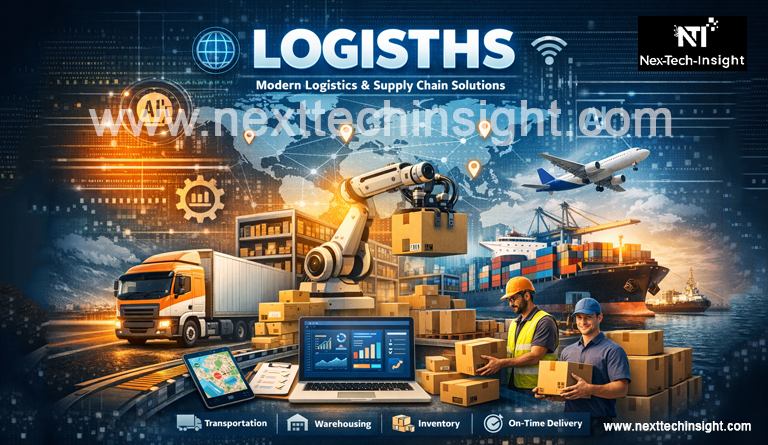
Imagine ordering a product online and receiving it at your doorstep within a day. Behind that smooth experience lies a powerful system called Logisths. Whether it’s delivering groceries, managing warehouses, or transporting goods across countries, logisths plays a critical role in modern business operations.
In today’s fast-paced world, companies that master logistics management, supply chain optimization, and efficient delivery systems gain a massive competitive advantage. But what exactly is Logisths, and why does it matter so much?
In this guide, we’ll break down everything you need to know—from basic concepts to advanced strategies—using simple language, real-life examples, and practical insights.
What Is Logisths?
Logisths refers to the process of planning, managing, and controlling the movement and storage of goods, services, and information from origin to final destination.
In simple terms:
Logisths ensures that the right product reaches the right place at the right time.
Key Elements of Logisths:
- Transportation
- Warehousing
- Inventory Management
- Order Fulfillment
- Distribution
Real-Life Example:
When you order a mobile phone online:
- It is picked from a warehouse.
- Packed and labeled.
- Shipped via transport.
- Delivered to your home.
All of this is managed through logisths systems.
Why Logisths Is Important in Today’s Business World
Modern businesses depend heavily on efficient logistics systems to survive and grow.
Key Benefits:
- Faster delivery improves customer satisfaction
- Reduced operational costs
- Better inventory control
- Stronger supply chain performance
- Increased profitability
Example:
Companies like Amazon succeed largely because of their advanced logistics and distribution networks, allowing same-day or next-day delivery.
Core Components of Logisths You Must Understand
1. Transportation
This involves moving goods via:
- Road
- Rail
- Air
- Sea
Efficient transport management systems (TMS) help reduce cost and delivery time.
2. Warehousing
Storage of goods before distribution.
Modern warehouses use:
- Automation
- Robotics
- Smart tracking systems
3. Inventory Management
Keeping track of stock levels to avoid:
- Overstocking
- Stockouts
Uses inventory optimization techniques.
4. Distribution
The final step of delivering products to customers.
Includes:
- Last-mile delivery
- Route optimization
How Logisths Works: Step-by-Step Process
Understanding the workflow of logisths operations helps businesses optimize efficiency.
Step-by-Step Process:
- Order Placement
Customer places an order. - Inventory Check
System verifies product availability. - Order Processing
Product is picked and packed. - Shipping
Transport is arranged. - Delivery
Product reaches the customer. - Returns Handling (if needed)
Reverse logistics comes into play.
Logisths vs Supply Chain Management
Many people confuse logisths with supply chain management (SCM).
| Feature | Logisths | Supply Chain Management |
| Scope | Movement & storage | Entire supply process |
| Focus | Transportation, delivery | Sourcing, production, logistics |
| Goal | Efficient delivery | End-to-end optimization |
👉 Logisths is a part of SCM, not the whole system.
Types of Logisths in Different Industries
1. E-commerce Logisths
- Fast delivery
- Return management
- Real-time tracking
2. Manufacturing Logisths
- Raw material movement
- Production supply
3. Healthcare Logisths
- Medicine distribution
- Cold chain logistics
4. Retail Logisths
- Inventory replenishment
- Store distribution
Key Technologies Powering Modern Logisths
Technology has transformed logisths operations significantly.
Important Technologies:
- Artificial Intelligence (AI) for demand forecasting
- Internet of Things (IoT) for real-time tracking
- Automation and Robotics in warehouses
- Blockchain in logistics for transparency
Example:
IoT sensors can track a shipment’s location and condition in real time.
Best Tools and Software Used in Logisths Systems
Modern businesses rely on advanced tools:
Common Systems:
- Warehouse Management System (WMS)
- Transport Management System (TMS)
- Enterprise Resource Planning (ERP)
Benefits:
- Real-time data tracking
- Improved decision-making
- Reduced human errors
How Businesses Use Logisths to Reduce Costs and Improve Efficiency
Smart companies use logistics optimization strategies to cut costs.
Strategies:
- Route optimization
- Bulk shipping
- Demand forecasting
- Warehouse automation
Example:
A company using AI-based route planning can save fuel and reduce delivery time.
Common Challenges in Logisths and How to Solve Them
Major Challenges:
- Delayed deliveries
- High transportation costs
- Poor inventory management
- Lack of real-time visibility
Solutions:
- Use digital tracking systems
- Implement automation
- Improve demand forecasting
Mistakes to Avoid in Logisths Management
Avoid these common errors:
- Ignoring data analytics
- Poor warehouse planning
- Lack of technology adoption
- Inefficient route planning
👉 These mistakes can increase costs and reduce customer satisfaction.
Sustainability and Green Logisths
Modern businesses are focusing on green logistics.
Practices:
- Eco-friendly packaging
- Electric delivery vehicles
- Optimized routes to reduce fuel
Benefit:
Reduces environmental impact and improves brand image.
Future Trends in Logisths
The future of logisths systems looks exciting.
Trends:
- Autonomous vehicles
- Drone deliveries
- AI-powered supply chains
- Smart warehouses
How to Build an Effective Logisths Strategy (Step-by-Step Guide)
Step 1: Analyze Your Needs
Understand your business requirements.
Step 2: Choose the Right Technology
Select tools like WMS or TMS.
Step 3: Optimize Transportation
Use route optimization tools.
Step 4: Improve Inventory Management
Adopt smart inventory systems.
Step 5: Monitor Performance
Track KPIs like delivery time and cost.
Ensuring Accuracy and Trust in Logisths Operations
Accuracy is critical in logistics.
Key Metrics:
- Delivery accuracy
- Order fulfillment rate
- Inventory turnover
Tools:
- Real-time tracking
- Data analytics dashboards
Pros and Cons of Logisths Systems
Pros:
- Faster delivery
- Better customer experience
- Cost efficiency
- Improved business performance
Cons:
- High setup cost
- Complex systems
- Technology dependency
Frequently Asked Questions (FAQs)
1. What does the term “Logisths” actually mean?
“Logisths” can have multiple meanings depending on context. It may refer to logistics management systems, an AI-based tax software like Logisth.AI, or be a variation of the word logistics, which involves the movement, storage, and management of goods in supply chains.
2. Is Logisths related to logistics or is it a different concept?
In most cases, “Logisths” is considered a variation or misspelling of logistics, which is a key part of supply chain management, including transportation, warehousing, and inventory control. However, it can also refer to specific tools or platforms depending on usage.
3. What is Logisth.AI and how does it work?
Logisth.AI is an AI-powered software solution designed for tax advisors and accounting firms. It uses automated document processing, secure communication, and client portals to simplify tax workflows and improve efficiency.
4. What is LOGIS and what services does it provide?
LOGIS is a government-focused software provider that offers solutions for local authorities. Its services include capital asset management, permitting systems, and other tools that help improve administrative operations.
5. Why is “Logisths” often associated with modern supply chains?
When used in the context of logistics, “Logisths” is linked to modern supply chain systems, where technologies like AI, automation, and real-time tracking improve efficiency, reduce costs, and enhance delivery performance.
Conclusion
In today’s competitive world, Logisths is no longer just a support function—it is a strategic advantage. Businesses that invest in modern logistics systems, automation, and data-driven decision-making can significantly improve efficiency, reduce costs, and deliver better customer experiences.
From transportation and warehousing to AI-powered logistics optimization, the field is rapidly evolving. Whether you are a student, entrepreneur, or business owner, understanding Logisths can open doors to smarter operations and long-term success.
If you want to stay ahead in the market, mastering logisths and supply chain strategies is not optional—it’s essential.
Don’t miss out on any news—keep in touch for real-time information, visit Next Tech Insight!