
 By
By
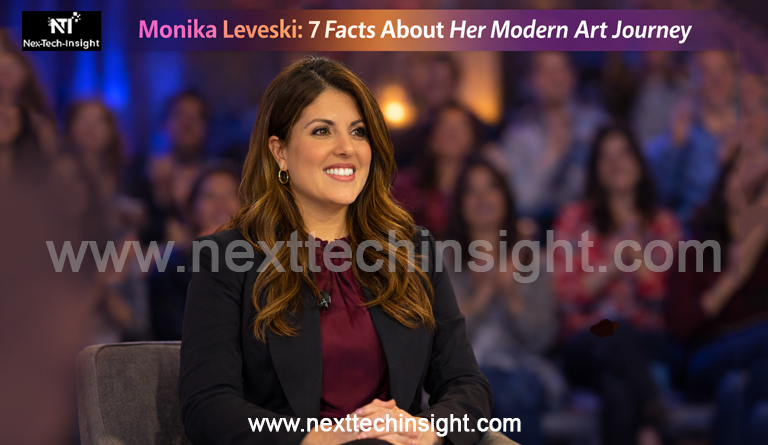
Contemporary art often evolves through experimentation and cross-disciplinary creativity. Monika Leveski represents this shift by blending mixed media art, digital innovation, visual storytelling, and modern artistic expression. Audiences across the United States increasingly search for her work because it reflects how art adapts to technology and culture. Rather than focusing on a single medium, she merges painting, photography, and digital design to create layered narratives that encourage viewers to reflect on emotion, identity, and environmental awareness.
Art critics often highlight her ability to transform simple concepts into immersive experiences. Moreover, her approach demonstrates how contemporary visual culture, creative experimentation, interactive art experiences, and sustainable art practices intersect in modern artistic production. Through exhibitions, collaborations, and research-driven projects, she has influenced discussions about creativity in the digital age. Readers exploring her journey gain insight into how modern artists develop unique voices while adapting to changing technologies and cultural expectations.
| Quick Bio: Artist Profile | Details |
| Name | Monika Leveski |
| Profession | Contemporary mixed media artist |
| Known For | Blending painting, digital technology, and recycled materials |
| Artistic Focus | Environmental themes, emotional storytelling |
| Techniques | Mixed media, digital illustration, installations |
| Influence | Contemporary art innovation |
Early Life, Background, and Personal Influences
Artistic curiosity usually begins long before professional recognition appears. During childhood, Monika Leveski encountered visual inspiration in everyday surroundings. Rural landscapes, shifting seasons, and quiet observation nurtured an early fascination with natural imagery, artistic inspiration, creative curiosity, and visual observation. Those experiences shaped her appreciation for color variation and texture. Many of her later works reflect this connection with nature through layered compositions and organic patterns.
Family encouragement played an equally powerful role in developing her creative mindset. Supportive relatives encouraged sketching, photography, and reading about famous artists. As a result, early exposure to art history, creative exploration, visual narrative, and emotional expression strengthened her imagination. Even simple museum visits introduced her to classical painting and modern installations. Over time, these experiences cultivated a perspective that views art not merely as decoration but as a language capable of telling complex human stories.
Education and the Beginning of Her Artistic Journey
Formal education helped transform curiosity into a professional direction. Art courses introduced fundamental concepts such as color theory, visual composition, design principles, and modern art movements. Students often experiment with multiple media during training. In her case, academic programs encouraged both traditional painting and digital experimentation. Exposure to global art styles also broadened her understanding of cultural storytelling through images.
During these years, she began participating in local exhibitions and collaborative art programs. Those early experiences offered valuable insight into the professional art ecosystem. Gradually, she explored gallery exhibitions, creative mentorship, interdisciplinary learning, and emerging artist networks. Each project strengthened technical skills and creative confidence. Critics noticed a distinctive voice emerging from her work, particularly the fusion of hand-crafted painting with digital layering techniques.
How Monika Leveski Developed Her Unique Artistic Style
Artists rarely develop a recognizable style overnight. Instead, experimentation gradually shapes their visual identity. In this case, the evolution involved blending traditional painting, digital design, mixed media techniques, and experimental creativity. Early projects explored texture through layered paint. Later works integrated digital illustration and photographic elements. This hybrid process allowed each artwork to combine classical artistry with modern technology.
Equally important was the decision to explore storytelling through visual contrast. Instead of separating media, she intentionally merged them into a cohesive narrative. As a result, viewers encounter pieces that unite abstract expression, layered textures, conceptual art themes, and innovative visual storytelling. Critics often note that such experimentation demonstrates how contemporary artists push boundaries while respecting classical artistic foundations.
Key Themes That Define Her Artwork
Creative themes often reveal what an artist values most. In many pieces, human emotion and identity become central subjects. Through thoughtful composition, artworks explore human connection, emotional storytelling, personal identity, and social reflection. Subtle gestures or symbolic imagery encourage audiences to interpret deeper meaning. Viewers frequently describe a sense of introspection while observing these compositions.
Environmental awareness appears as another recurring idea. Landscapes, organic shapes, and recycled materials symbolize humanity’s relationship with nature. Consequently, her work often references environmental sustainability, eco-art philosophy, natural symbolism, and cultural storytelling. These elements remind audiences that art can inspire reflection about environmental responsibility while still maintaining strong aesthetic value.
Materials, Tools, and Techniques Used in Her Work
The materials used in creative work often influence the message conveyed. Many projects begin with classic tools such as brushes and acrylic paints. However, modern technology expands possibilities beyond the canvas. Her studio integrates acrylic painting, digital illustration tools, graphic tablets, and visual design software. Combining analog and digital methods allows experimentation with texture, color layering, and motion.
Sustainability also influences material choices. Rather than relying solely on new resources, she often incorporates found objects and recycled textures. These choices highlight eco-friendly materials, sustainable creativity, recycled art elements, and environmental awareness. As a result, everyday objects gain new artistic meaning. This practice reflects a broader movement where artists transform discarded materials into compelling visual statements.
Want to learn more? Check this article: Bert Girigorie: Biography
The Creative Process Behind Monika Leveski’s Art
Creative production typically begins with research and observation. Many concepts originate from journaling or sketchbooks, where visual ideas develop gradually. Early drafts explore shapes, color relationships, and symbolic imagery. Through this stage, she focuses on concept development, visual experimentation, artistic planning, and creative brainstorming. Each sketch acts as a blueprint guiding the final composition.
Later stages involve layering materials and refining details. Paint, digital textures, and physical objects interact until the artwork reaches balance. During this phase, artists analyze lighting, composition, and emotional impact. The workflow integrates mixed media layering, creative refinement, visual storytelling techniques, and artistic experimentation. Ultimately, the finished piece reflects both deliberate planning and spontaneous discovery.
Notable Artworks and Important Exhibitions
Recognition in the art world often emerges through exhibitions that introduce artists to wider audiences. Over time, her projects appeared in galleries and collaborative art shows. These exhibitions highlighted innovative combinations of painting and technology. Curators frequently emphasized mixed media installations, interactive gallery experiences, contemporary art showcases, and creative visual narratives.
Collectors and critics responded positively to the emotional depth of these works. Several exhibitions featured immersive environments where visitors could interact with digital elements. Such presentations demonstrated how modern art exhibitions, creative collaboration, art collector interest, and visual storytelling installations contribute to the growing appreciation of mixed media art in contemporary culture.
How Technology Influences Her Modern Art Creations
Technology continues to transform artistic expression worldwide. Instead of replacing traditional techniques, digital tools enhance them. In her projects, technology supports digital art integration, interactive installations, augmented reality art, and creative digital storytelling. Tablets and design software allow artists to experiment rapidly with color and composition before final production begins.
Furthermore, interactive technologies create immersive experiences for viewers. For example, augmented reality layers can reveal hidden visual elements through mobile devices. Consequently, audiences engage more deeply with the artwork. This approach connects technology-driven creativity, immersive art environments, visual innovation, and modern creative tools, demonstrating how art evolves alongside technological progress.
The Influence of Monika Leveski on Contemporary Art
Influence within the art community often appears through inspiration and mentorship. Many emerging artists study her hybrid approach to understand how digital tools can expand creative possibilities. Through workshops and collaborations, she promotes creative experimentation, interdisciplinary art practices, modern visual culture, and artistic innovation.
Moreover, her work contributes to ongoing conversations about sustainability and technology in art. By combining traditional painting with digital tools, she demonstrates how creative disciplines adapt to cultural change. Consequently, many observers associate her projects with contemporary art evolution, visual storytelling influence, modern artistic experimentation, and creative cultural dialogue.
What Makes Monika Leveski Different from Other Modern Artists
Every artist contributes something unique to the broader creative landscape. What distinguishes her approach is the seamless integration of traditional craftsmanship with modern digital tools. Instead of separating media, she merges them to create layered narratives. This method reflects hybrid art techniques, cross-media creativity, visual innovation, and interactive storytelling.
Another distinguishing factor involves sustainability. Many modern artists explore environmental themes, yet few incorporate recycled materials as consistently. That commitment demonstrates how eco-conscious art, sustainable design thinking, environmental creativity, and modern artistic responsibility intersect within contemporary creative practices.
| Comparison of Artistic Elements | Traditional Painters | Monika Leveski Approach |
| Medium | Paint on canvas | Mixed media with digital layers |
| Technology Use | Minimal | Integrated digital tools |
| Materials | Conventional supplies | Recycled and sustainable elements |
| Viewer Interaction | Passive observation | Interactive installations |
| Creative Style | Single medium focus | Hybrid artistic storytelling |
Common Misconceptions About Monika Leveski
Public curiosity sometimes leads to confusion or oversimplification. Some observers assume that digital tools replace traditional artistic skill. However, digital integration simply expands creative possibilities. Her workflow still relies on classical drawing techniques, color theory mastery, traditional painting skills, and visual composition principles.
Another misconception relates to mixed media art itself. Some viewers believe it lacks structure because it combines different materials. In reality, successful mixed media requires a deep understanding of balance and narrative. Artists must coordinate creative layering, conceptual storytelling, artistic discipline, and visual harmony to achieve cohesive results.
What Emerging Artists Can Learn From Monika Leveski
Emerging artists often search for inspiration when building their careers. One valuable lesson involves embracing experimentation rather than limiting creativity to familiar mediums. Exploring new materials encourages creative growth, artistic experimentation, innovative thinking, and visual exploration.
Another insight focuses on balancing imagination with discipline. Successful projects require planning, research, and patience. Observing her workflow highlights the importance of creative resilience, consistent practice, artistic development, and professional dedication. Those qualities often distinguish hobbyists from influential professional artists.
Sources and Accuracy: Understanding Verified Information About Her Work
Reliable information remains essential when researching contemporary artists. Art publications, gallery catalogs, and academic journals provide credible context. Researchers rely on art archives, museum documentation, verified artist profiles, and scholarly art references to understand creative contributions accurately.
Furthermore, interviews and exhibitions help confirm artistic philosophy and intentions. These primary sources reveal how artists describe their own work. Consulting curated exhibition records, critical art reviews, institutional publications, and historical documentation ensures that discussions about contemporary artists remain factual and trustworthy.
Future Projects and the Evolving Direction of Her Art
Contemporary artists often continue exploring new technologies and materials throughout their careers. Future projects may include immersive installations that combine digital projections and physical sculpture. Such experiments could expand interactive art environments, digital storytelling platforms, multimedia exhibitions, and creative technology integration.
Sustainability will likely remain an important theme. Many artists increasingly explore environmentally responsible production methods. In upcoming work, she may continue combining eco-art concepts, sustainable materials, creative innovation, and modern artistic experimentation. These directions illustrate how contemporary art evolves alongside technological progress and environmental awareness.
Frequently Asked Questions
- Who is Monika Leveski?
Monika Leveski is a contemporary mixed media artist blending digital art, traditional painting, recycled materials, and interactive installations. - What type of art is Monika Leveski known for?
She creates mixed media art combining painting, digital design, photography, and layered textures with strong visual storytelling. - What themes appear most often in Monika Leveski’s artwork?
Her art explores human identity, environmental awareness, social reflection, and creative experimentation through symbolic imagery. - Where can people see Monika Leveski’s art exhibitions?
Her work appears in contemporary art galleries, digital art exhibitions, and immersive mixed media installations worldwide. - Why is Monika Leveski considered important in contemporary art?
She merges traditional painting with digital innovation, shaping modern mixed media art, sustainable creativity, and interactive art experiences.
Final Thoughts
The story of Monika Leveski illustrates how modern creativity evolves when artists embrace experimentation and interdisciplinary thinking. By combining mixed media art, digital innovation, sustainable materials, and visual storytelling, her work reflects broader changes in contemporary artistic culture. Instead of limiting creativity to a single medium, she demonstrates that meaningful art often emerges from collaboration between traditional techniques and modern technology.
Furthermore, her artistic philosophy highlights the importance of curiosity and resilience. Emerging artists can learn that innovation grows from constant exploration and thoughtful observation. Through exhibitions, collaborative projects, and community engagement, her influence continues to expand across the contemporary art landscape. Ultimately, her journey represents the spirit of modern creativity where technology, sustainability, and storytelling intersect to shape the evolving future of artistic expression.
Don’t miss out on any news—keep in touch for real-time information, visit Next Tech Insight!