
 By
By
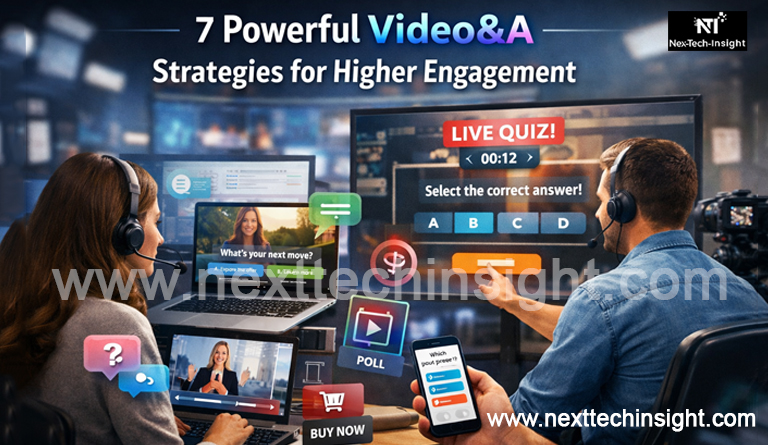
Digital media keeps evolving. Audiences no longer settle for passive watching. Instead, they expect experiences that respond to them. That shift explains the rise of interactive video, audience engagement tools, digital storytelling, and video analytics platforms. Brands across the United States increasingly adopt this approach because it strengthens real-time communication. As a result, creators move beyond simple broadcasting and toward participatory media experiences.
Moreover, modern audiences crave authenticity and conversation. Traditional marketing often feels distant. Interactive content bridges that gap. Through content marketing strategies, social media engagement, viewer participation, and real-time feedback, businesses build stronger relationships with audiences. For example, live product Q&A streams often generate deeper trust than static advertisements. Consequently, digital engagement becomes measurable, meaningful, and far more memorable.
What Is Video&A? Understanding the Concept Behind Interactive Video
At its core, Video&A represents a shift in how video communicates with audiences. Instead of simply presenting visuals, it integrates interactive media, audience engagement features, data-driven insights, and digital storytelling frameworks. This structure allows viewers to respond during the viewing process. For example, they might answer polls, ask questions, or click embedded elements. Consequently, content becomes participatory rather than passive.
Furthermore, the concept reflects modern communication trends. Digital users often multitask and expect responsive experiences. Through video analytics tools, engagement metrics, viewer behavior tracking, and interactive storytelling, creators understand exactly how audiences respond. This insight allows marketers to adjust messaging instantly. Therefore, content evolves based on real feedback rather than guesswork.
| Quick Bio: Interactive Video Engagement Overview | Details |
| Concept | A digital content format combining video storytelling with interaction and analytics |
| Core Elements | interactive video, viewer participation, analytics tracking, accessible media |
| Key Technologies | AI personalization, streaming platforms, engagement analytics, adaptive media |
| Industries Using It | Marketing, education, entertainment, e-commerce, corporate training |
| Primary Benefits | Higher retention, improved audience engagement, measurable ROI |
How Video&A Works in Modern Digital Media
Modern interactive media relies on several technologies working together. Streaming platforms deliver high-quality visuals while analytics systems collect viewer data. Through real-time analytics, viewer retention tracking, content engagement metrics, and interactive media platforms, creators observe which segments attract attention. Consequently, they refine storytelling techniques to maintain interest throughout the video experience.
However, technology alone does not guarantee success. Creators must design engagement pathways deliberately. For instance, clickable segments or live chat prompts encourage participation. Through digital media ecosystems, content personalization, social media integration, and audience interaction tools, creators transform ordinary video clips into immersive experiences. As a result, viewers feel involved rather than merely entertained.
Why Video&A Is Gaining Massive Popularity Online
Online behavior has changed dramatically during the last decade. Audiences scroll quickly through content feeds. Static information rarely holds attention long. Interactive media offers a solution. Through short-form video content, visual storytelling techniques, engagement algorithms, and social media video trends, creators capture attention within seconds. Consequently, viewers spend more time interacting with the content.
Additionally, social platforms actively promote engagement-focused formats. Algorithms reward interaction signals such as comments and shares. Through YouTube video engagement, TikTok interactive features, Instagram reels engagement, and content discovery algorithms, creators amplify visibility dramatically. Therefore, interactive video formats spread quickly across digital communities.
Also read this Article: Gaymetu E: Meaning, Origins, and Why This Internet Term Is Getting Attention
Key Benefits of Video&A for Businesses, Creators, and Educators
Businesses increasingly depend on digital media to connect with customers. Interactive video transforms traditional marketing strategies. Through customer engagement strategies, brand storytelling, video marketing campaigns, and conversion optimization techniques, brands communicate more effectively. For example, a product demonstration combined with live questions often increases purchase confidence. As a result, companies achieve higher engagement and improved conversion rates.
Educators also benefit from this model. Interactive lessons encourage active learning. Through e-learning platforms, educational video tools, knowledge retention techniques, and interactive training modules, students participate during lectures rather than passively watching. Consequently, learning becomes dynamic and memorable. Many universities now incorporate interactive media to improve student outcomes.
Where Video&A Is Used Today (Marketing, Education, Social Media & Entertainment)
Marketing teams deploy interactive video to guide consumers through the purchase journey. For instance, brands showcase products while answering viewer questions. Through e-commerce video strategies, shoppable video technology, consumer engagement platforms, and digital brand experiences, businesses shorten decision cycles. Consequently, potential buyers move from curiosity to purchase more quickly.
Entertainment and media also embrace interactive storytelling. Streaming platforms experiment with branching narratives. Through interactive entertainment, immersive storytelling, viewer-driven narratives, and digital media innovation, audiences influence the direction of the story itself. For example, some streaming shows allow viewers to choose plot paths. Therefore, storytelling becomes collaborative.
Step-by-Step Guide: How to Create Engaging Video&A Content
Creating engaging content begins with understanding the audience. Creators must analyze interests and expectations before recording any footage. Through audience research methods, content planning frameworks, viewer persona development, and digital storytelling strategies, creators design meaningful narratives. Consequently, the video feels tailored to the viewer’s curiosity rather than generic broadcasting.
Next comes production and distribution. High-quality visuals and clear audio maintain credibility. Through video production workflows, content editing tools, interactive media design, and social media distribution strategies, creators deliver polished experiences. However, success also requires monitoring performance. Analytics reveal which sections drive engagement and which need improvement.
Best Tools and Platforms for Creating Video&A Content
Several platforms now support interactive video creation. These systems integrate production tools with engagement analytics. Through video hosting platforms, interactive video software, AI video editing tools, and content analytics dashboards, creators design engaging experiences without complex technical knowledge. Consequently, even small businesses can produce professional content.
Moreover, artificial intelligence simplifies production tasks dramatically. AI systems generate subtitles, optimize editing, and analyze engagement patterns. Through AI video generators, automated caption tools, personalized content algorithms, and smart editing software, creators save time while maintaining high quality. Therefore, production becomes faster and more scalable.
| Interactive Video Platform Comparison | Engagement Capability | Analytics Depth | Ideal Use Case |
| YouTube Live | Real-time chat and polls | Moderate viewer analytics | Creator engagement |
| Vimeo Interactive | Clickable video elements | Advanced video analytics tools | Professional marketing |
| Wistia | Interactive CTAs | Detailed engagement tracking | Business marketing |
| TikTok Live | Instant audience interaction | Basic metrics | Social engagement |
Video&A vs Traditional Video Content: What Makes Them Different?
Traditional videos typically follow a one-directional format. Creators publish content and audiences watch silently. Interactive video changes this structure entirely. Through engagement analytics, viewer interaction features, participatory media formats, and adaptive storytelling, viewers influence the experience. Consequently, content feels more personal and dynamic.
Furthermore, traditional metrics often rely on view counts alone. However, modern strategies measure deeper engagement. Through audience retention analysis, interaction metrics, content engagement signals, and behavioral analytics tools, creators understand precisely how viewers respond. As a result, marketing decisions become data-driven rather than speculative.
Best Practices for Making Video&A More Engaging
Successful interactive content always prioritizes storytelling. Audiences connect with narratives rather than information alone. Through visual storytelling techniques, emotional engagement strategies, viewer participation prompts, and interactive narrative design, creators capture attention while encouraging responses. Consequently, engagement grows naturally throughout the video.
Timing also matters. Shorter segments maintain energy and curiosity. Through content pacing strategies, mobile-friendly video formats, attention retention techniques, and digital storytelling flow, creators maintain audience interest. Moreover, subtle interaction prompts encourage viewers to participate without disrupting the narrative.
Common Mistakes to Avoid When Creating Video&A Content
Despite its advantages, interactive media can fail if poorly executed. One common mistake involves overloading the video with too many features. Excessive prompts distract viewers from the story. Through balanced interaction design, clear storytelling structure, user-friendly video navigation, and audience-centric content planning, creators maintain clarity.
Another frequent problem involves ignoring analytics feedback. Data reveals which segments succeed and which fail. Through engagement metrics analysis, viewer retention tracking, content optimization strategies, and digital performance evaluation, creators refine future content. Therefore, analytics becomes essential for continuous improvement.
Trust, Accuracy, and Ethical Considerations in Video&A Content
Interactive media holds enormous influence over audiences. Therefore, creators must prioritize transparency and accuracy. Through ethical digital marketing, fact-checking practices, content credibility standards, and transparent sponsorship disclosures, creators maintain audience trust. When viewers trust the content source, engagement becomes sustainable.
Accessibility also matters significantly. Inclusive design ensures that everyone can participate. Through closed caption technology, multilingual subtitles, accessible media standards, and inclusive digital communication, creators broaden their reach. Consequently, interactive content becomes both engaging and responsible.
Future Trends: How AI and Technology Will Shape Video&A
Technology continues to reshape digital communication rapidly. Artificial intelligence already personalizes content experiences. Through AI content personalization, predictive analytics systems, smart recommendation engines, and adaptive video storytelling, viewers receive customized media journeys. Consequently, each audience member experiences content differently.
Meanwhile, immersive technologies promise even greater transformation. Virtual environments and augmented reality expand storytelling possibilities. Through virtual reality media, augmented storytelling, immersive digital environments, and interactive media innovation, creators design experiences that blur the line between viewer and participant. Therefore, digital storytelling enters a new era.
Final Thoughts
Digital communication keeps evolving faster each year. Static content struggles to compete in a world driven by engagement and interaction. Interactive video formats provide a powerful solution. Through interactive video storytelling, audience engagement strategies, video analytics tools, and digital media innovation, creators connect with viewers more effectively than ever before.
However, success requires thoughtful execution. Strong narratives, clear interaction prompts, and careful analysis of viewer behavior make the difference between average content and memorable experiences. Moreover, emerging technologies such as AI personalization, immersive storytelling environments, and predictive engagement analytics will continue shaping the future of digital media. Businesses and creators who adopt these innovations today will likely lead tomorrow’s content landscape.
Want to learn more? Check this article: Video&A: The Future of Questions and Answers in the Digital Era
Frequently Asked Questions
1. What does Video&A mean?
Video&A combines interactive video, audience engagement, and real-time analytics to turn passive viewing into two-way digital communication.
2. How is Video&A different from regular video content?
Unlike static video, Video&A uses interactive media, viewer participation, and engagement analytics to create dynamic digital experiences.
3. Why is Video&A becoming popular in digital marketing?
Brands use Video&A for content marketing, audience engagement, and conversion tracking, boosting visibility and campaign ROI.
4. Which platforms support Video&A content?
Platforms like YouTube Live, TikTok, Vimeo interactive video, and Wistia analytics tools support engaging interactive video experiences.
5. Can small businesses use Video&A for marketing?
Yes. Small brands use social media video, interactive product demos, and video marketing strategies to build customer trust.
6. How does Video&A improve audience engagement?
Interactive features like polls, comments, and Q&A boost viewer engagement, watch time, and digital content interaction.
7. Is Video&A useful for online education?
Yes. Interactive learning videos, quizzes, and e-learning engagement tools improve student understanding and retention.
8. What tools help create Video&A content?
Creators use AI video tools, interactive video platforms, and content analytics dashboards to produce engaging content.
9. Does Video&A help with SEO rankings?
Yes. video SEO, higher watch time, and strong engagement signals help content perform better in search results.
10. What industries benefit most from Video&A?
Marketing, e-commerce, online education, entertainment, and corporate training gain higher engagement through interactive video.
Don’t miss out on any news—keep in touch for real-time information, visit Next Tech Insight!